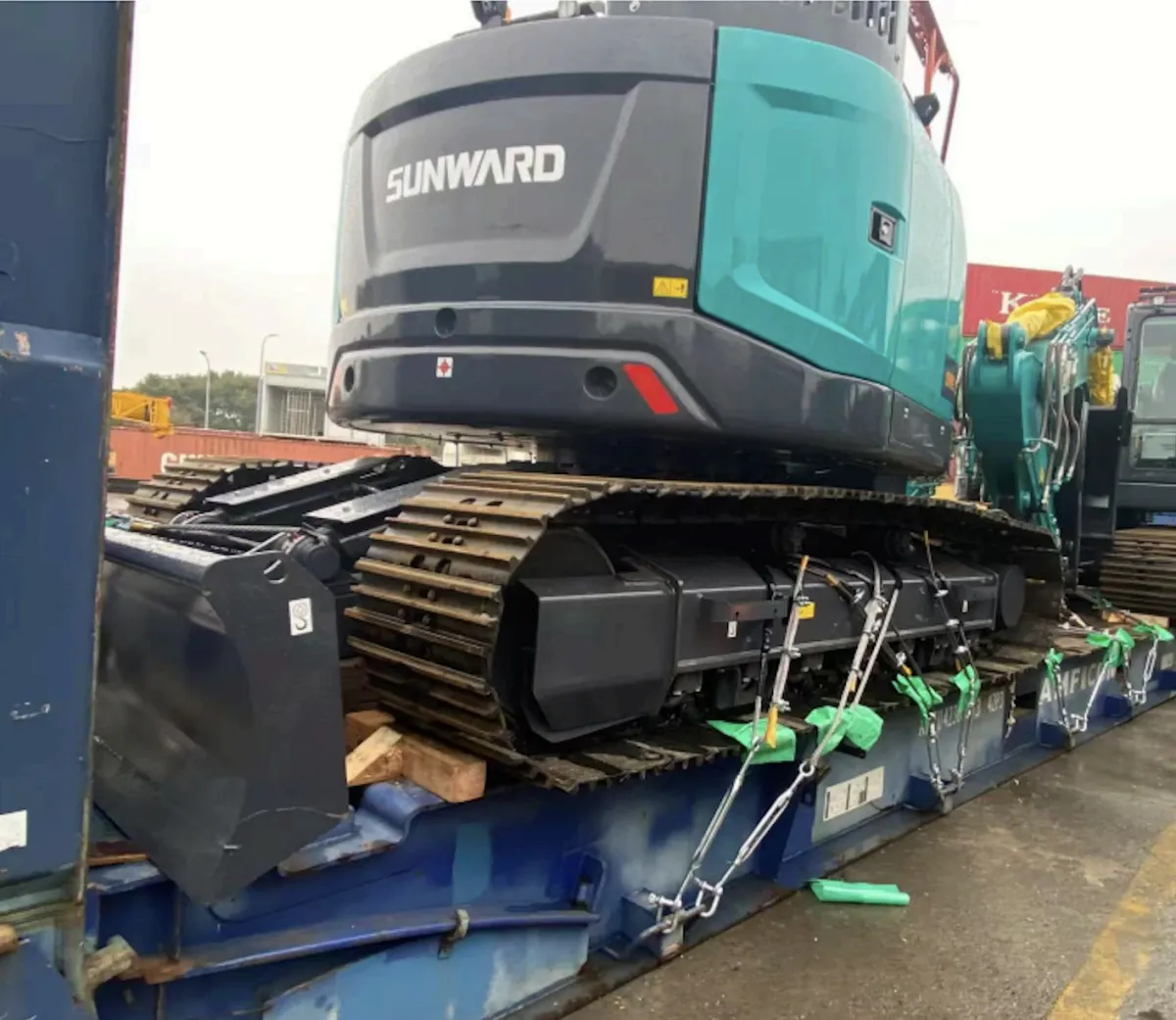
How Are Oversized Loads Transported in British Columbia?
How Are Oversized Loads Transported in British Columbia?
6-minute read
Last Updated: July 2026
Quick Answer
Oversized loads are transported using specialized trailers and carefully planned routes that comply with provincial regulations. Depending on the equipment and dimensions, transportation may require permits, approved travel times, and additional planning before the move begins.
Understanding these requirements early helps keep projects moving safely and efficiently.
At a Glance
Oversized transportation may involve:
Equipment measurements
Specialized trailers
Route planning
Transportation permits
Travel restrictions
Site access reviews
Loading and unloading coordination
What Is an Oversized Load?
A load is considered oversized when its dimensions or weight exceed the limits established by provincial transportation regulations.
Examples may include:
Large excavators
Bulldozers
Wheel loaders
Crushers
Industrial tanks
Structural components
Manufacturing equipment
Not every piece of heavy equipment is oversized. Classification depends on the equipment's dimensions and transportation requirements.
Why Planning Is Important
Oversized transportation requires more planning than a standard shipment.
Before transportation begins, the following information is reviewed:
Equipment dimensions
Operating weight
Pickup location
Delivery location
Route suitability
Loading and unloading requirements
Planning ahead helps identify the safest and most efficient transportation solution.
What Factors Affect Oversized Transportation?
Several factors influence how an oversized load is transported.
Equipment Dimensions
The height, width, length, and weight determine the transportation method and equipment required.
Trailer Selection
Depending on the equipment, transportation may require:
Lowbed trailers
Step deck trailers
Flat deck trailers
Selecting the right trailer helps support safe loading and transportation.
Route Planning
Every route is different.
Transportation planning may consider:
Bridge clearances
Road restrictions
Turning space
Construction zones
Site accessibility
Careful route planning helps reduce unexpected delays.
Transportation Permits
Some oversized loads require permits before transportation can begin.
Permit requirements vary depending on the shipment and destination.
From the BN Dulay Team
One of the first steps in planning an oversized move is confirming the equipment's dimensions. Accurate measurements help determine trailer selection, route planning, and permit requirements.
Frequently Asked Questions
Does every oversized load require a permit?
Permit requirements depend on the dimensions, weight, and transportation route.
Do oversized loads always require a pilot vehicle?
Not always. Escort vehicle requirements vary depending on provincial regulations and the size of the load.
Can oversized equipment be delivered directly to a construction site?
Yes. Delivery depends on site access, unloading requirements, and project conditions.
Can BN Dulay Trux help plan oversized transportation?
Yes. Every project is reviewed individually to recommend the most suitable transportation solution based on the equipment and destination.
Planning an Oversized Equipment Move
Oversized transportation begins with understanding the equipment and the project requirements.
Reviewing dimensions, weight, pickup location, and delivery details early allows transportation planning to begin efficiently and helps determine the appropriate trailer and route.
If you're planning to move oversized equipment in British Columbia, BN Dulay Trux can review your project requirements and recommend a transportation solution that fits your equipment and destination.

