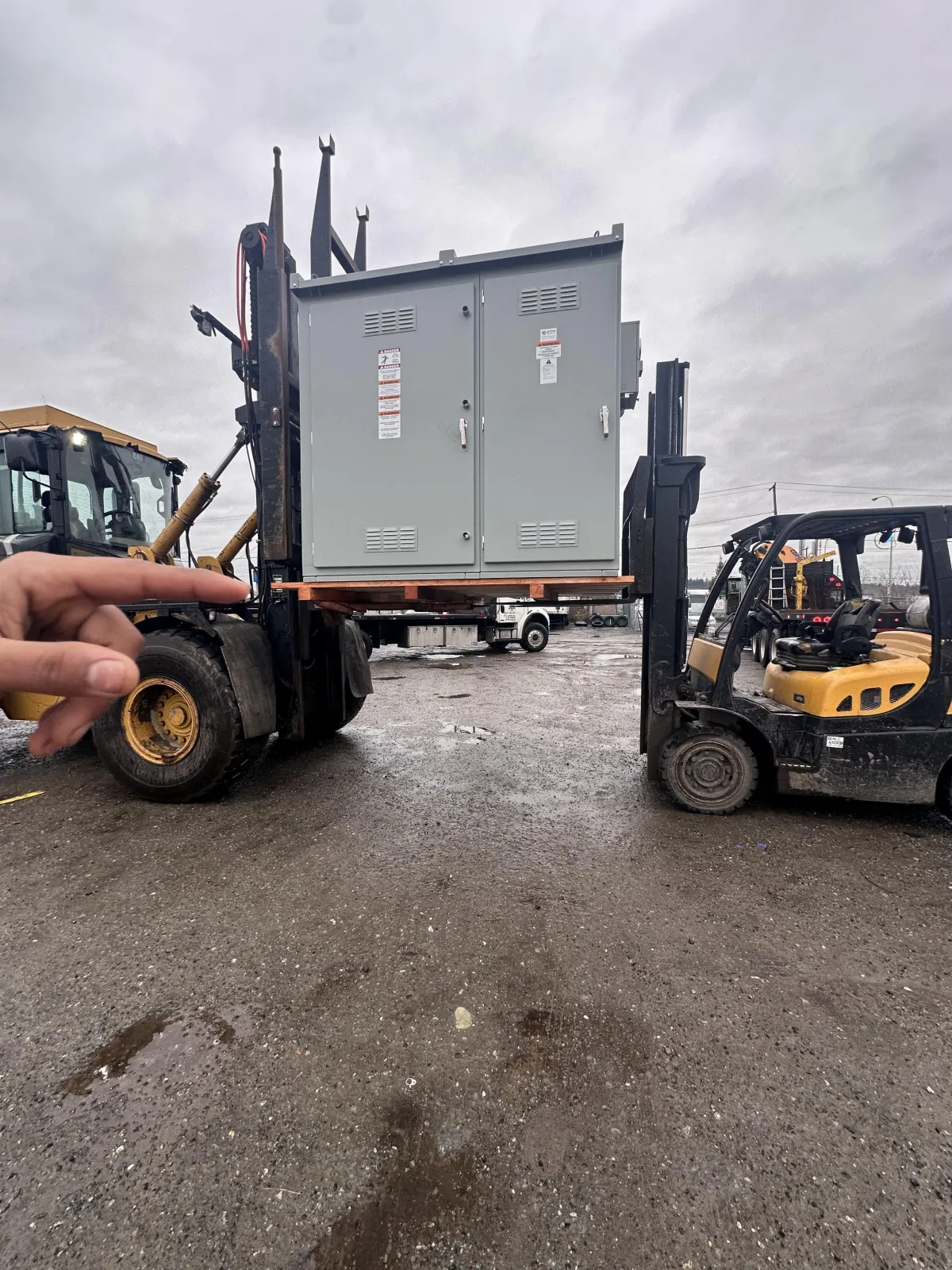
How Do You Transport Heavy Equipment in British Columbia? A Complete Guide
How Do You Transport Heavy Equipment in British Columbia? A Complete Guide
Heavy equipment is transported using specialized trailers selected according to the equipment's size, weight, loading requirements, and destination.
Whether you're moving an excavator to a construction site, relocating a skid steer between projects, or transporting industrial machinery across British Columbia, choosing the right transportation solution helps keep projects moving safely and efficiently.
This guide explains how heavy equipment transportation works, how trailer selection is made, and what information helps streamline the transportation process.
What Is Heavy Equipment Transportation?
Heavy equipment transportation is the movement of construction, industrial, municipal, and agricultural equipment using specialized commercial trailers.
Common equipment includes:
Excavators
Bulldozers
Skid steers
Wheel loaders
Backhoes
Motor graders
Rollers
Forklifts
Generators
Agricultural equipment
Industrial machinery
Every machine has different transportation requirements based on its dimensions, operating weight, loading method, and destination.
What Information Do You Need Before Transporting Heavy Equipment?
Providing a few key details before requesting a quote allows transportation planning to begin quickly.
InformationWhy It's ImportantPickup locationDetermines routing and schedulingDelivery locationConfirms travel requirementsEquipment make & modelHelps identify transportation needsApproximate dimensionsAssists with trailer selectionEstimated weightEnsures the correct equipment is assignedPreferred timelineSupports scheduling availability
Even if every detail isn't available, approximate information is usually enough to begin planning.
BN Dulay Insight
One of the most common reasons transportation quotes are delayed is missing equipment dimensions. Having approximate measurements available helps determine the most suitable trailer from the start.
How Is the Right Trailer Chosen?
There isn't a single trailer that works for every piece of equipment.
The equipment itself determines the transportation method.
EquipmentCommon Trailer TypeSkid SteerFlat DeckForkliftFlat DeckGeneratorFlat DeckExcavatorLowbedWheel LoaderLowbed or Step DeckStructural SteelFlat Deck
Selecting the right trailer helps improve loading, transportation efficiency, and overall project coordination.
When Is Equipment Considered Oversized?
Equipment may be classified as oversized when it exceeds provincial limits for height, width, length, or weight.
Depending on the shipment, transportation may require:
Oversized load permits
Approved travel routes
Specific travel times
Specialized trailers
Pilot vehicles where required by regulation
Requirements vary depending on the equipment and destination.
How Can You Prepare Equipment Before Pickup?
Preparing equipment before transportation can help reduce unnecessary delays.
Before pickup, it's helpful to:
Confirm the equipment dimensions.
Verify the approximate operating weight.
Ensure the pickup area is accessible.
Identify any loading equipment available on site.
Share any site-specific access instructions.
Clear communication before pickup helps transportation run more smoothly.
Common Questions About Heavy Equipment Transportation
Can heavy equipment be transported across British Columbia?
Yes. Heavy equipment is regularly transported between construction sites, industrial facilities, municipalities, and infrastructure projects throughout British Columbia.
Can heavy equipment be transported between provinces?
Yes. Transportation requirements vary depending on the equipment, destination, and applicable regulations.
How much notice should I provide?
Scheduling transportation as early as possible provides greater flexibility when planning equipment availability and delivery timelines.
Do I need to know which trailer I need?
No. After reviewing your equipment and project details, the appropriate transportation solution can be recommended.
Industries We Commonly Support
Heavy equipment transportation supports a wide range of industries, including:
Construction
Civil Infrastructure
Municipal Services
Utilities
Forestry
Mining
Agriculture
Manufacturing
Industrial Operations
Each industry has different transportation requirements, making careful planning an important part of every successful move.
Project Planning Starts Before the Truck Arrives
Transporting heavy equipment isn't simply about moving machinery from one location to another.
Successful transportation starts with understanding the equipment, confirming project requirements, selecting the appropriate trailer, and coordinating pickup and delivery.
At BN Dulay Trux, every transportation project is approached with those fundamentals in mind to help support safe, efficient equipment movement throughout British Columbia.
Frequently Asked Questions
Can an excavator be transported on a flat deck?
Depending on its dimensions and weight, some excavators may be transported on a flat deck, while others require a lowbed trailer.
What is the difference between a flat deck and a lowbed?
A flat deck is commonly used for machinery, building materials, and freight that can be loaded from the side or above. A lowbed trailer provides additional clearance for larger or heavier equipment.
Can equipment be delivered directly to a construction site?
In many cases, yes. Site access, unloading requirements, and project conditions are reviewed during transportation planning.
Can you transport industrial machinery?
Yes. Industrial machinery, generators, manufacturing equipment, and other commercial freight can all require specialized transportation depending on their size and specifications.
Planning a Heavy Equipment Move?
Whether you're transporting an excavator to a construction site, relocating industrial machinery, or moving equipment between facilities, having the right information early helps simplify the transportation process.
If you're planning an upcoming project, the BN Dulay Trux team can review your transportation requirements and recommend a solution based on your equipment, destination, and project timeline.

