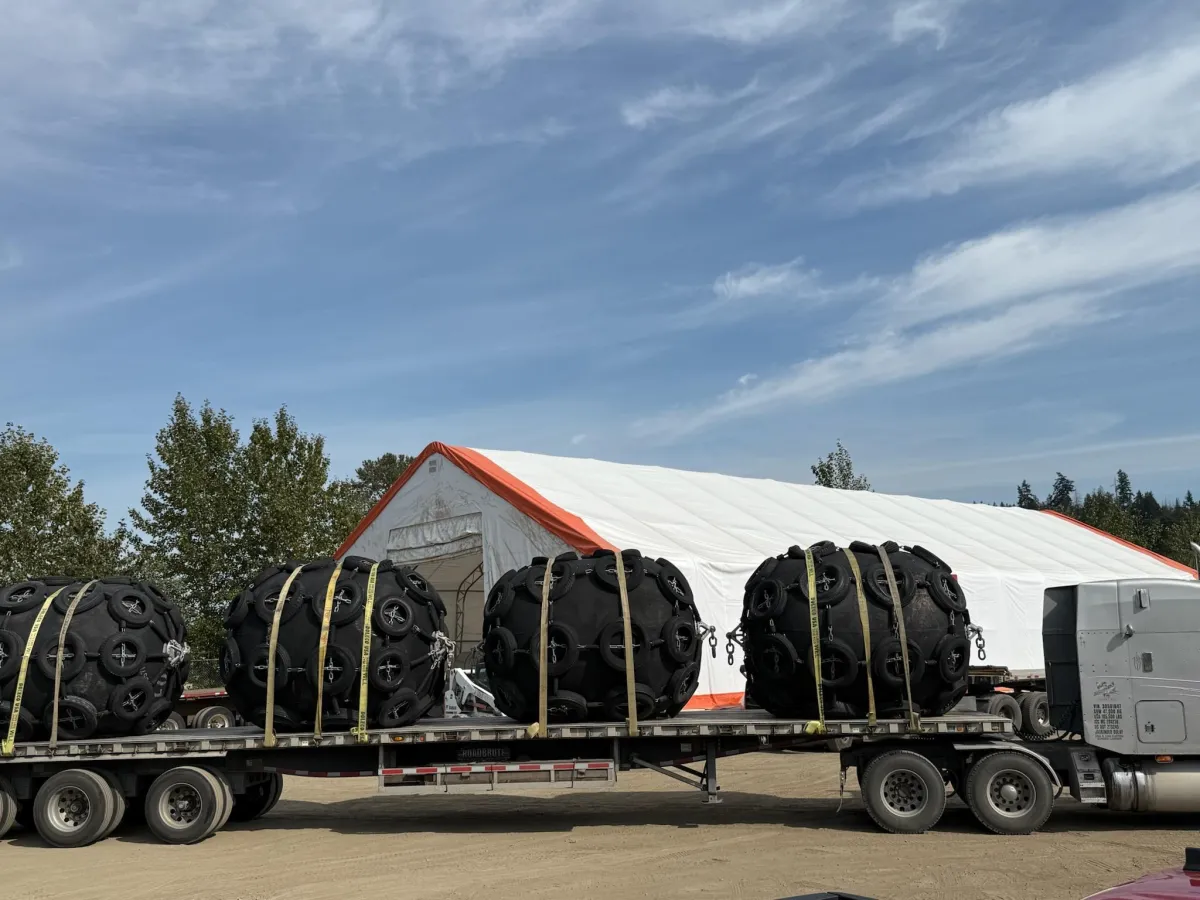
Flatdeck, Conestoga, or Curtain Van? How the Wrong Trailer Increases Shipping Costs
In a price-sensitive freight market, many shipping decisions focus on rate first.
But one of the most common and expensive mistakes shippers make has nothing to do with price.
It’s choosing the wrong trailer type.
Across construction, manufacturing, retail, and agriculture, we see shipments delayed, damaged, or rejected not because the carrier failed but because the equipment didn’t match the real-world conditions of the move.
This article explains how trailer selection directly affects cost, risk, and delivery success, and how BN Dulay Trucks approaches equipment decisions to reduce hidden shipping expenses.
Why Trailer Choice Matters More Than Most Shippers Expect
Trailer selection isn’t just about fitting freight on a deck.
It affects:
Weather exposure
Loading and unloading method
Site access
Securement requirements
Claims and rehandling risk
A rate that looks competitive can quickly become expensive if the trailer choice creates friction at delivery.
Flatdeck: Flexible, But Not Always Forgiving
Flatdeck equipment is often chosen for its versatility and availability. It works well for:
Oversized or irregular freight
Crane-assisted loading and unloading
Open job sites with sufficient space
However, flatdecks introduce risk when:
Freight is sensitive to weather
Securement requirements are underestimated
Delivery sites lack offloading equipment
At BN Dulay Trucks, we evaluate whether a flatdeck actually reduces risk—or simply shifts it downstream.
Conestoga (Roll-Tite): Protection Without Sacrificing Access
Conestoga equipment is often the right solution when freight requires:
Weather protection
Top or side loading flexibility
Reduced tarping time and exposure
This trailer type is especially effective for:
High-value materials
Steel and building products
Time-sensitive construction freight
We frequently recommend Conestoga trailers when shippers want the protection of an enclosed solution without losing site flexibility.
Curtain Van: Efficient, But Site-Dependent
Curtain-side trailers offer fast access and weather protection, making them attractive for:
Palletized freight
Forklift loading from the side
Facilities with clear lateral access
However, curtain vans can create issues when:
Side access is restricted
Freight requires overhead unloading
Sites are congested or uneven
BN Dulay considers site layout and unloading method before recommending curtain-side equipment, not just freight dimensions.
Where the Hidden Costs Come From
The wrong trailer choice often leads to:
Extended dwell time
Missed delivery windows
Rehandling or transloading
Damage claims
Emergency equipment swaps
These costs rarely appear on the original quote, but they impact total landed cost significantly.
How BN Dulay Approaches Equipment Selection
Rather than defaulting to the lowest-cost option, BN Dulay Trucks reviews equipment choice as part of risk planning.
This includes:
Understanding how freight will be loaded and unloaded
Reviewing site access and space constraints
Evaluating weather exposure and securement needs
Matching trailer type to delivery environment
This approach helps shippers avoid preventable delays and control downstream costs, especially in unstable market conditions.
When BN Dulay Trucks Is Typically a Fit
BN Dulay Trucks is often engaged when shipments involve:
Flatdeck, Conestoga, or curtain-side equipment decisions
Construction or on-site delivery constraints
Weather-sensitive or high-value freight
Port, rail, or urban delivery environments
We’re also clear when a different equipment strategy or a different timeline is the better option.
Common Planning Questions (Equipment Selection)
Is flatdeck always the cheapest option?
Not necessarily. Flatdecks may have lower upfront rates but higher risk if weather or unloading conditions aren’t suitable.
When should I choose a Conestoga trailer?
When freight needs protection but still requires flexible loading or unloading at the site.
Are curtain-side trailers good for construction deliveries?
Sometimes. They work well when side access is clear, but can create issues on congested or uneven sites.
Can the wrong trailer really cause delivery rejection?
Yes. If equipment doesn’t match site capabilities, deliveries can be delayed or refused.
A Practical Next Step (No Pressure)
If you’re planning a shipment and want to:
Confirm the right trailer type
Reduce damage or delay risk
Avoid hidden downstream costs
Request a quote or discuss capacity, and our dispatch team will review the details and let you know how to proceed.

