Moving Equipment or Materials This Fall? How to Plan Your Transportation
September is a natural time to look ahead at what needs to move next.
For contractors, construction teams, manufacturers and industrial businesses, fall can mean equipment moving between sites, materials arriving for the next stage of a project, machinery being delivered, or commercial freight continuing to move as schedules progress.
Transportation is easier to coordinate when it's considered alongside the project itself.
If you have equipment or materials that need to move this fall, you don't need to have every transportation detail figured out. Start with what you're moving, where it's going, its size and weight, and when you need it there.
From there, the right transportation plan can take shape.
Start With What Needs to Move Next
A useful place to begin is simply looking ahead at your upcoming work.
What equipment needs to move to the next site? What materials are required for the next stage? Is machinery arriving from a supplier? Does something need to move from a yard or facility to a project location?
For businesses coordinating multiple projects, identifying these transportation needs early makes it easier to include freight in the overall schedule.
The basic information to gather is straightforward:
What you're shipping
Pickup location
Delivery location
Dimensions and weight
Number of pieces or units
Preferred pickup date
Loading and unloading information
Once you have those details, you're in a good position to start arranging transportation.
Equipment, Machinery and Materials Don't All Move the Same Way
One of the reasons shipment details matter is that commercial and industrial freight can vary considerably.
Building materials may have different transportation requirements than a large piece of machinery. Industrial components, equipment, reels and other open-deck freight may each need to be planned differently based on the characteristics of the load.
You don't need to determine the transportation solution yourself.
Providing accurate information about what you're moving, how large it is, how much it weighs and how it will be loaded gives the transportation provider the information needed to assess the shipment.
For machinery and equipment, manufacturer specifications can be particularly useful when confirming dimensions and weight.
Think About the Site, Not Just the Freight
A successful equipment or material move isn't only about getting the freight onto a truck.
It's about getting it from the pickup point to the place where it's actually needed.
When planning transportation, consider:
Where is the freight being collected?
A supplier, warehouse, yard, facility or project site can each have different loading arrangements.
How will it be loaded?
Knowing what loading equipment is available helps provide a clearer picture of the pickup.
Where is it being delivered?
Provide the actual delivery location and any useful site information.
How will it be unloaded?
Knowing how the freight will come off the truck helps complete the transportation picture.
When does the site need it?
If the shipment is connected to a particular stage of work, include that timing when planning the move.
For project freight, thinking about the site and the shipment together can make transportation much easier to coordinate.
Coordinate Transportation With the Next Phase of Your Project
Equipment and materials often have a job waiting for them when they arrive.
A piece of machinery may be needed before work can continue. Materials may need to be on site for an upcoming installation. Equipment may need to move from one project to another.
That's why transportation works best when it's part of the project schedule rather than a separate consideration.
As you're reviewing your fall work, identify what will need to move over the coming weeks and when it will be needed.
Even if the exact date isn't finalized, knowing the approximate timing gives you a useful starting point for transportation planning.
Do I Need a Flat Deck to Transport Equipment or Materials?
It depends on the freight.
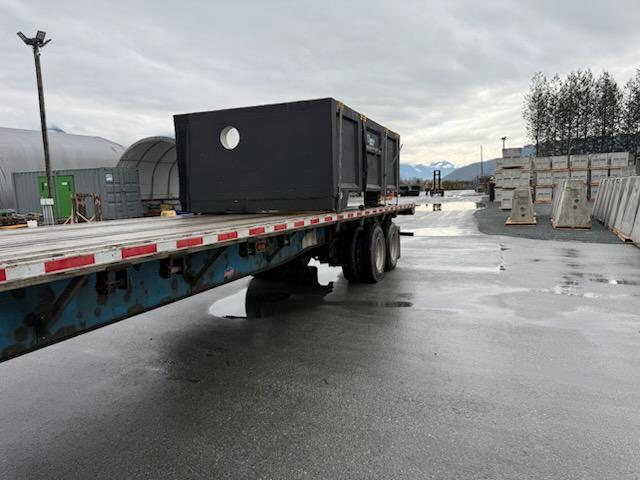
Flat deck and other open-deck transportation can be useful for freight that is better suited to loading and transporting without the fixed sides and roof of an enclosed trailer.
The appropriate transportation option depends on factors such as the freight's dimensions, weight, configuration and loading requirements.
That's why you don't necessarily need to know the trailer type before contacting a transportation company.
Start with the load.
BN Dulay Trux works with commercial and industrial freight, including shipments requiring flat deck and open-deck transportation. Providing accurate shipment information helps determine the appropriate next step.
How Do I Transport Construction Equipment in BC?
Start by gathering the basic specifications for the equipment.
You'll typically want to know:
What the equipment is
Dimensions
Weight
Pickup location
Delivery location
How it will be loaded
How it will be unloaded
When it needs to move
Depending on the equipment, additional transportation planning may be required.
If you're unsure about the transportation requirements, you don't need to solve that part first. Accurate information about the equipment gives the transportation provider a much better starting point.
How Far in Advance Should I Arrange Equipment Transportation?
A good time to start is once you know enough about the shipment to begin planning it.
For project-related freight, earlier planning can make it easier to coordinate transportation with suppliers, crews, site schedules and other project activities.
It also gives you an opportunity to understand transportation pricing while you're planning the rest of the work.
If you already know what needs to move, where it's going and approximately when it needs to arrive, you can start the transportation conversation.
Can I Get an Equipment Transportation Quote Online?
If you already have your shipment details, getting transportation pricing can be one of the simplest parts of the process.
BN Dulay Trux's Instant Quote lets you enter your shipment information online and receive pricing right away.
Have your:
Pickup and delivery locations → freight details → dimensions and weight → timing
ready, and you can start your quote.
Get an Instant Quote: HERE
Make Transportation Part of Your Fall Project Plan
September is a useful point in the year to look at what's coming next.
If equipment needs to move between sites, materials need to reach a project, machinery is coming from a supplier, or industrial freight needs transportation, identifying those needs early can help you coordinate the move with the rest of your work.
You don't need to know everything about trailers or transportation equipment before getting started.
Know your freight. Know where it's going. Have the dimensions and weight ready. Know when you need it there.
BN Dulay Trux can help with the transportation from there.
Planning an upcoming equipment, material or commercial freight shipment?
Get your Instant Quote and start planning your transportation today.
Get an Instant Quote: HERE
Call BN Dulay Trux: 604-588-8760 | 1-800-640-2919

